
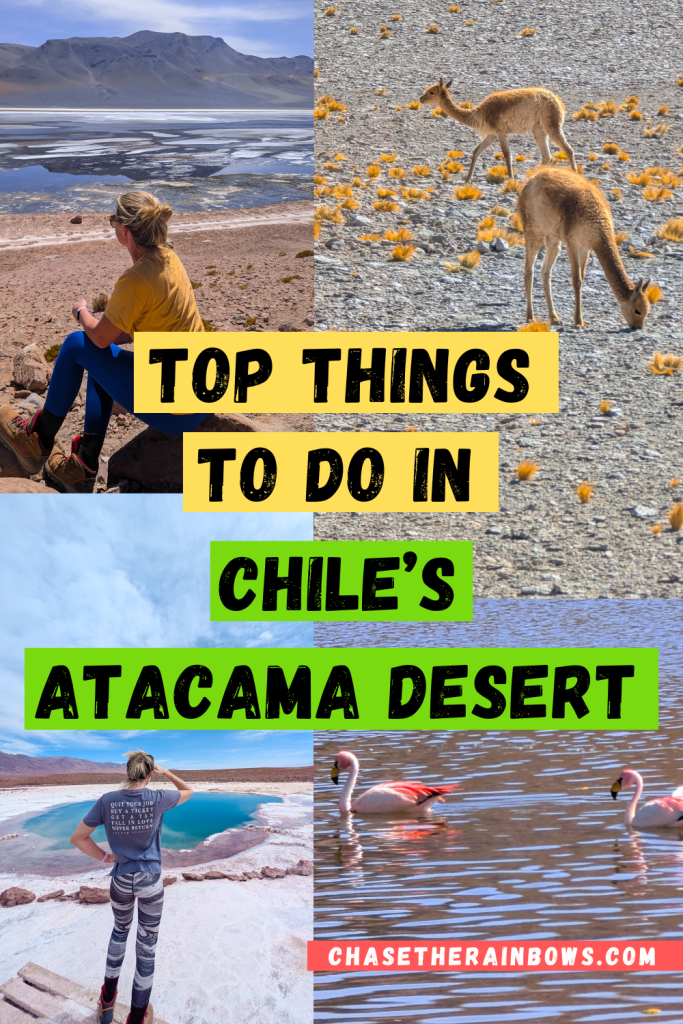
Located in the heart of the Chilean desert, San Pedro de Atacama might seem like a place where there isn’t much to do, but you’d be so wrong! The region offers countless incredible activities. While I usually like to space out my excursions when I travel, I kept adding new places to my itinerary because I didn’t want to miss a thing!
1 – Hidden Lagoons of Baltinache
I booked this tour through Pukarumi and had an excellent experience. The tour ran from around 7 a.m. to 1 p.m. The night before, we were added to a WhatsApp group to coordinate hotel pickups. Our guide, Francisco, shared his live location and even called five minutes before arriving so we were ready.
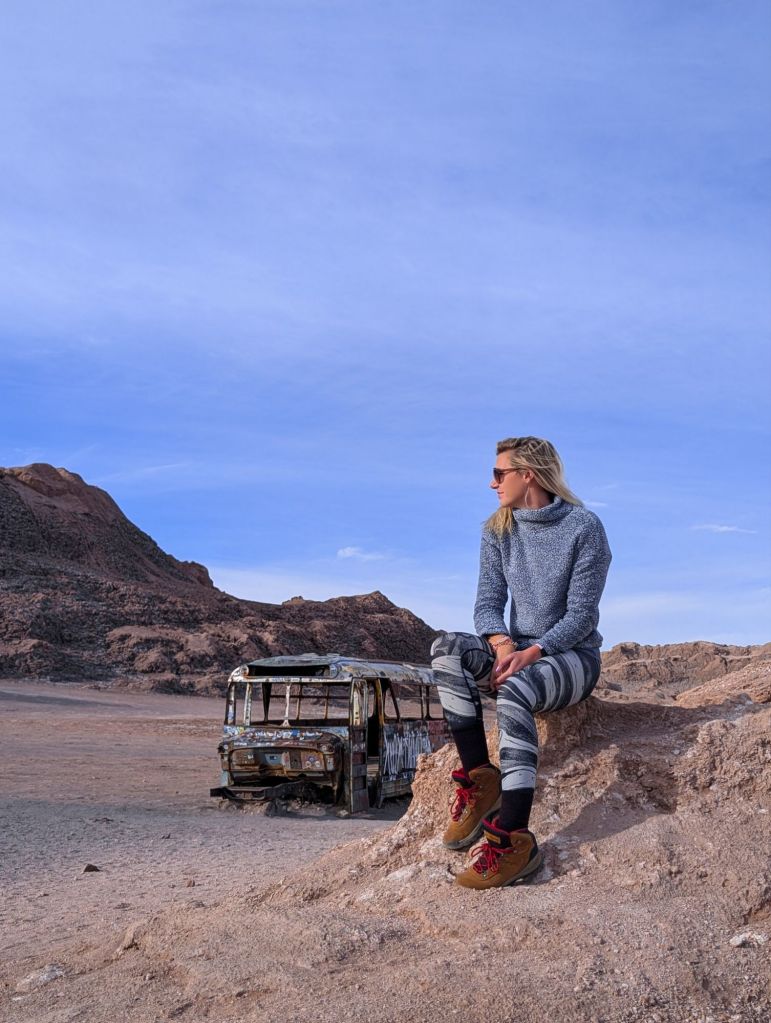
As we headed out of San Pedro, Francisco shared fascinating details about the salt flats’ history and how they were formed by glacial activity over volcanoes. We stopped for breakfast at an old salt mining site, now abandoned due to the high lithium content in the salt. This spot also featured the famous “Magic Bus,” left behind after a rave hosted by Swiss travelers. It’s a quirky photo op!
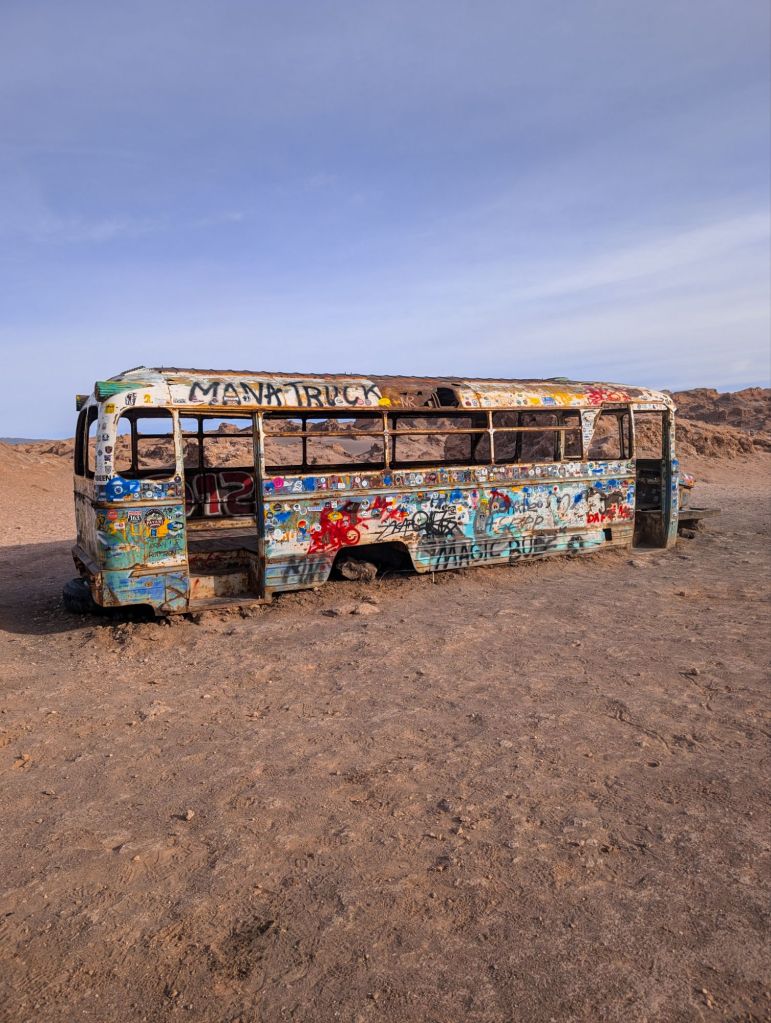
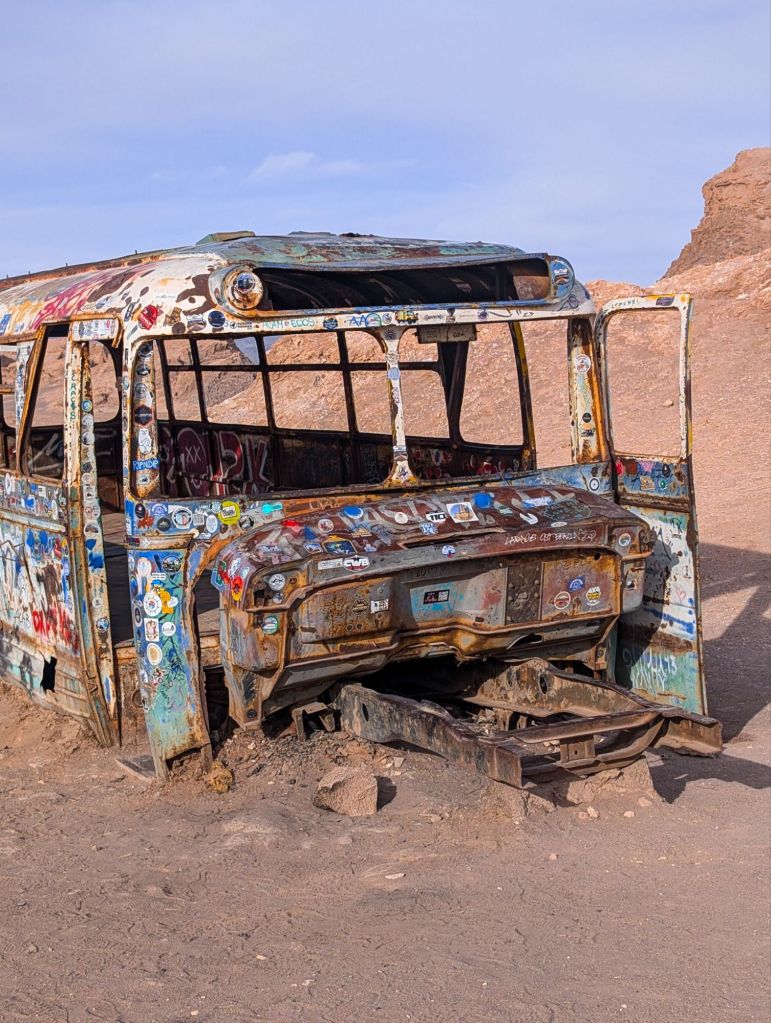
Breakfast was impressive: freshly scrambled eggs, guacamole, bread, rice cakes, meats, cheeses, jams, fruit, coffee, and juice. Nearby, we found a spot where you could hear the thermoplastics in the rocks “pop” as the sun heated them.
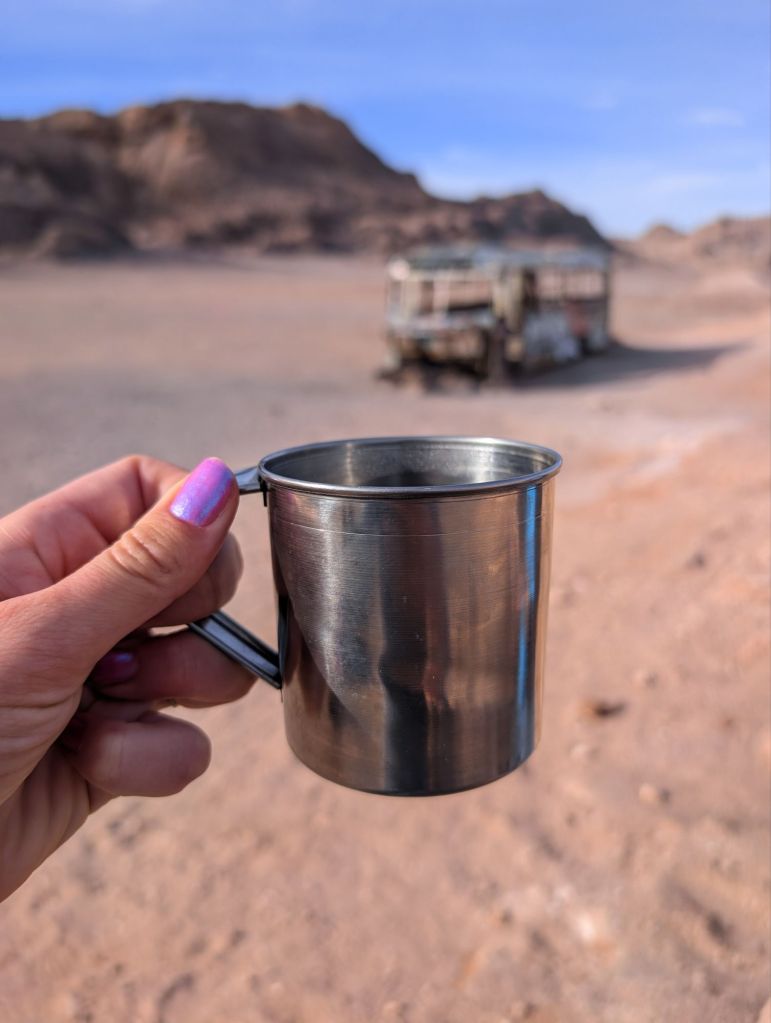

Next, we drove along a bumpy road to the lagoons (motion-sickness warning—pack Dramamine!). Entrance fees are 5,000 Chilean pesos when swimming isn’t allowed and 10,000 pesos when it is. At the time of our visit, swimming wasn’t permitted to allow the lagoons to recover from pollutants like sunscreen.
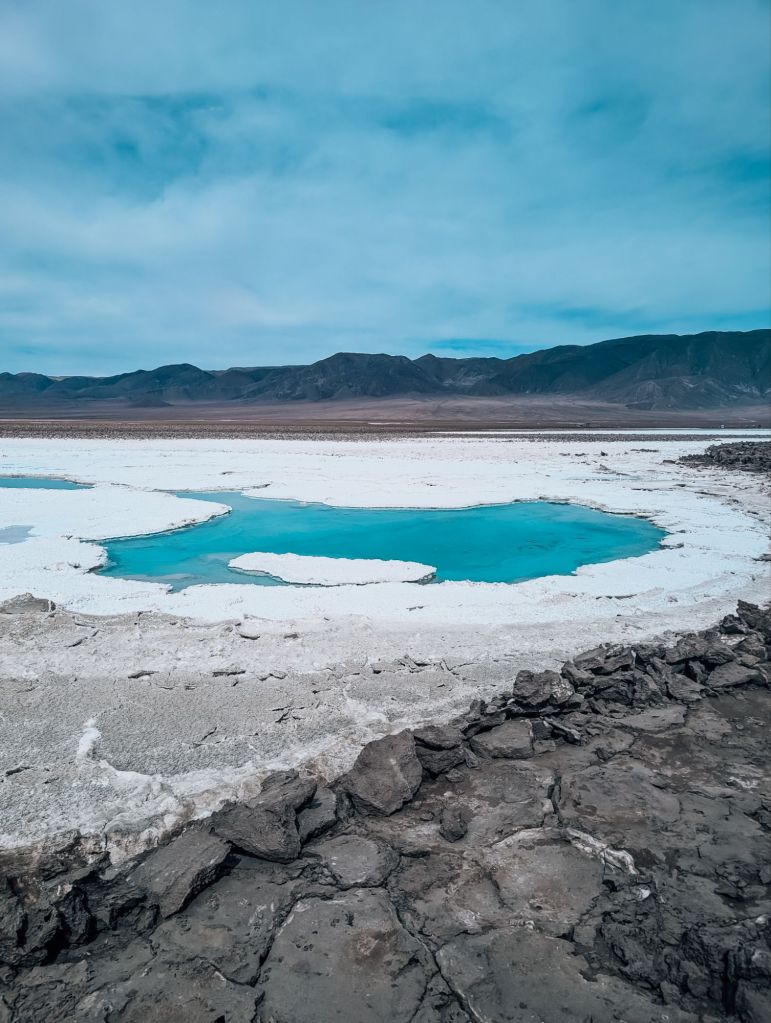
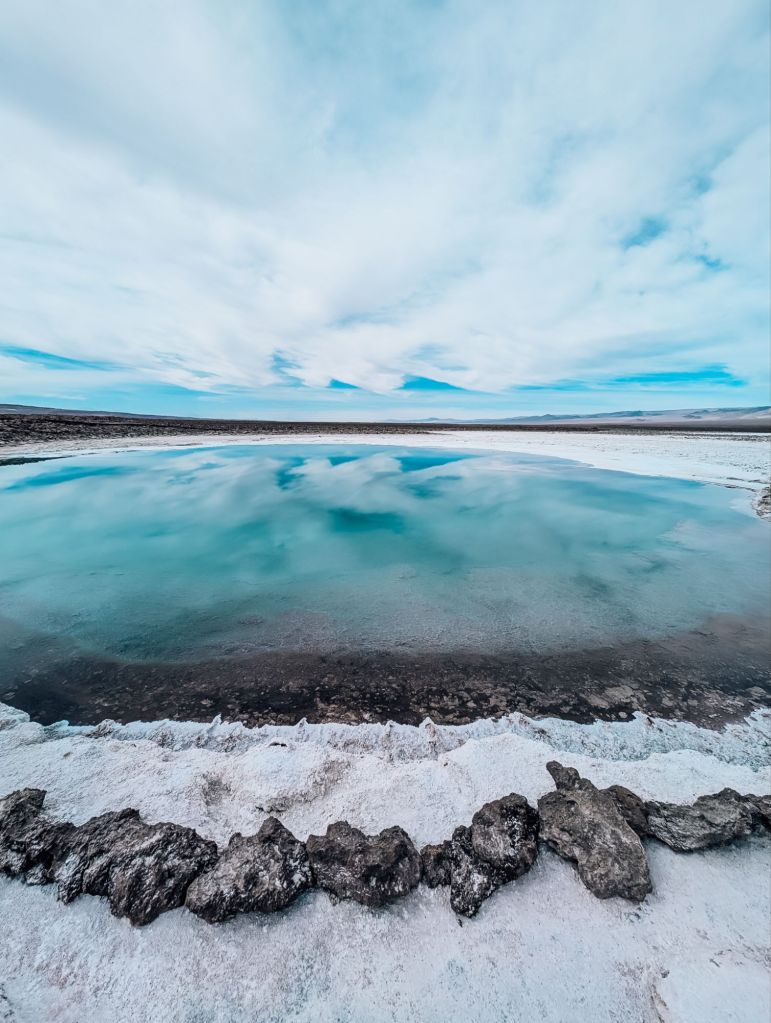
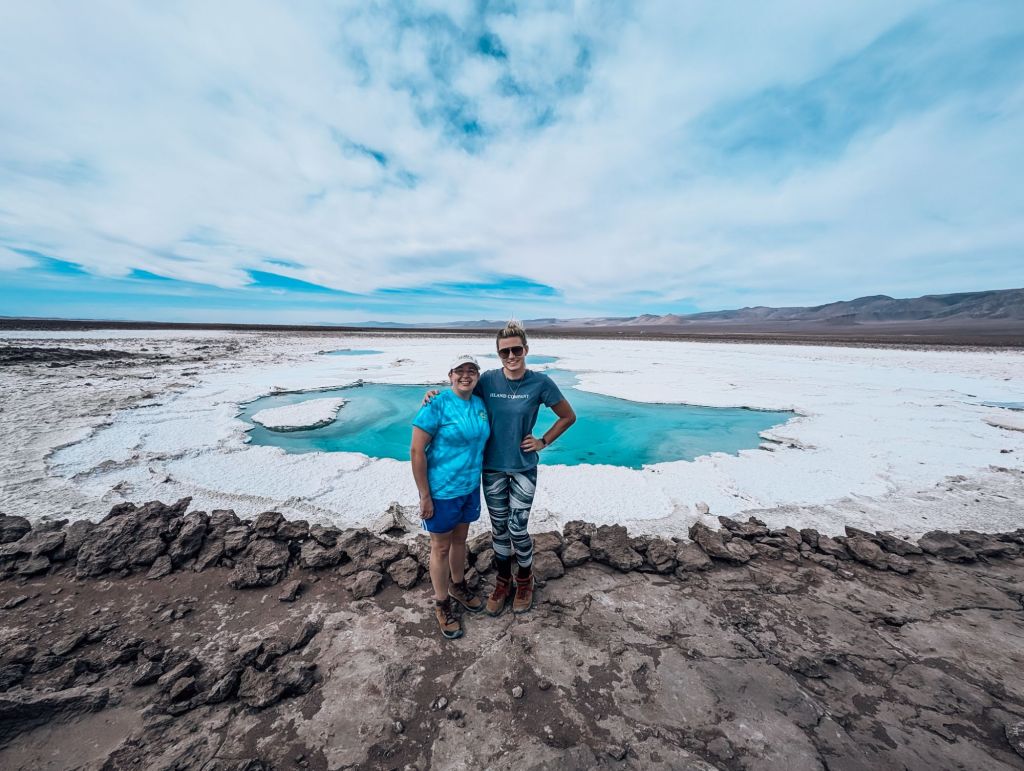
The lagoons were stunning, from the largest, which is 20 meters deep and icy cold, to the smaller turquoise ones. Francisco explained how the unique hexagonal salt formations, often associated with Bolivia, are also found here. Sadly, lithium mining is set to start in this area soon, a bittersweet fact to learn.

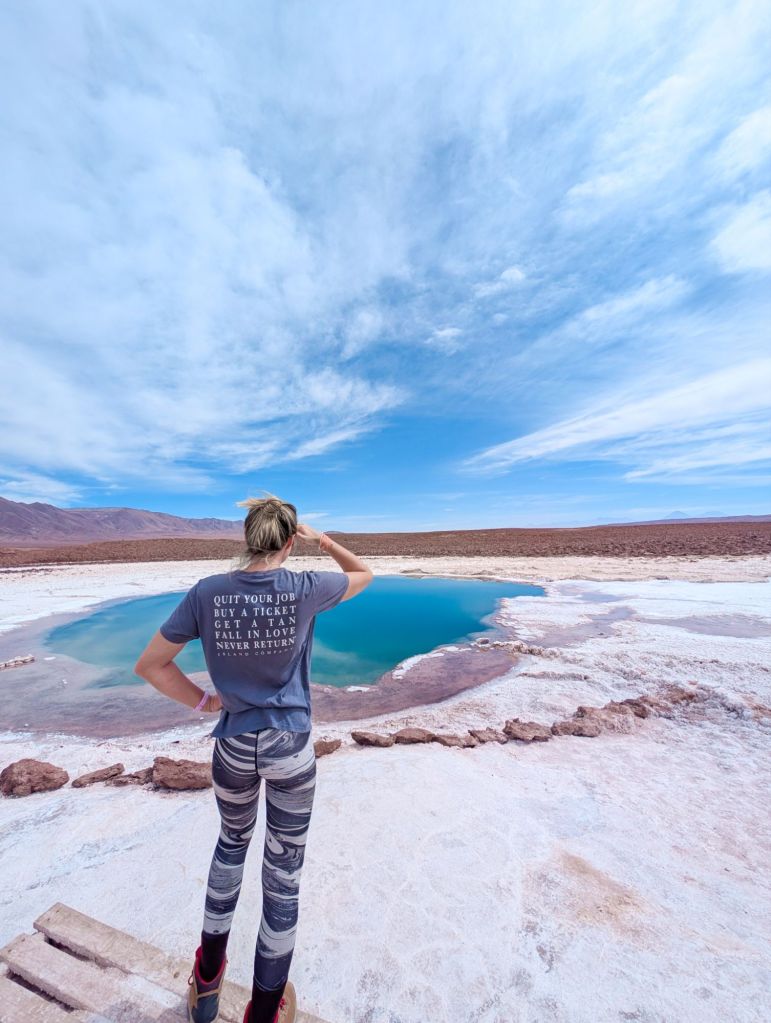
We finished the tour around 11 a.m., giving everyone time to grab lunch before any afternoon excursions.
Tips for the Tour
- What to Wear: Comfortable clothes and shoes (hiking boots or sturdy trainers are fine), a jacket for the cool morning, sunglasses, and a sunhat.
- What to Bring: At least 1 liter of water (you’ll feel perpetually thirsty in the desert!), sunscreen, snacks if you have dietary restrictions, your camera and the entrance fee in cash.
Ready to book Hidden Lagoons Tour? CLICK HERE
2 – Moon Valley Tour
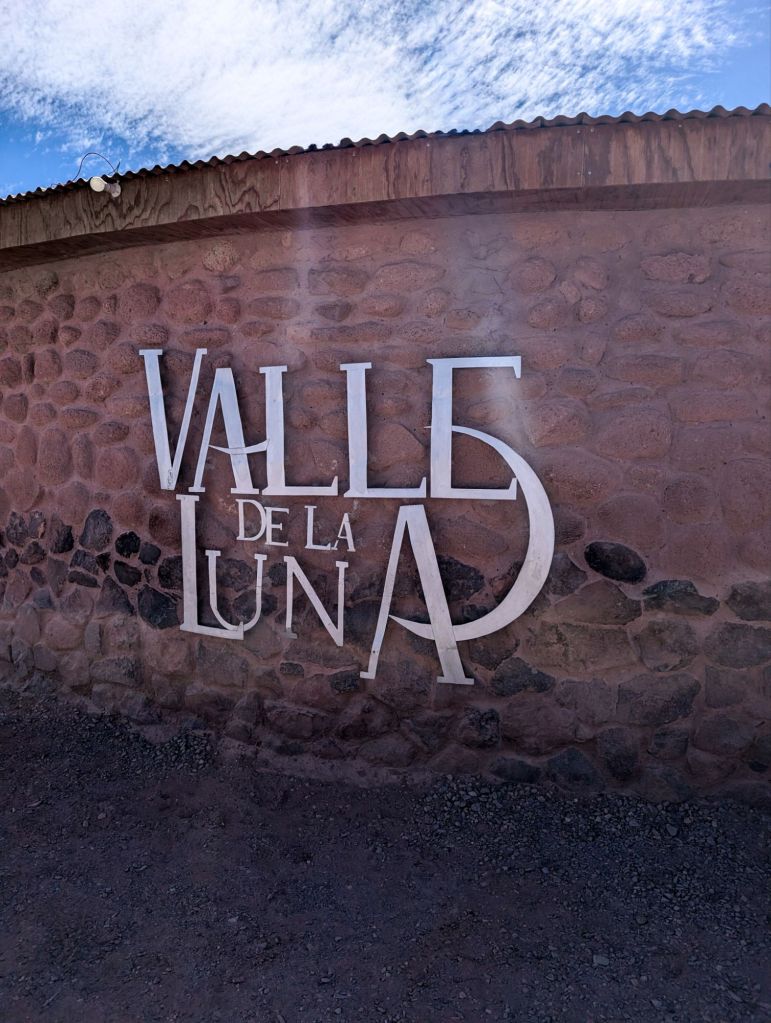
We booked our Moon Valley tour through Layana Travel. We were told to pay the entrance fee directly to their office in the centre of San Pedro the day before, but I believe you can also pay online in advance. Like the Hidden Lagoons tour, we were added to a WhatsApp group before pickup, which was around 3:30-4:00 p.m. We started with a stop at the entrance building, where you can use the bathroom, grab water, and take a photo with the sign.
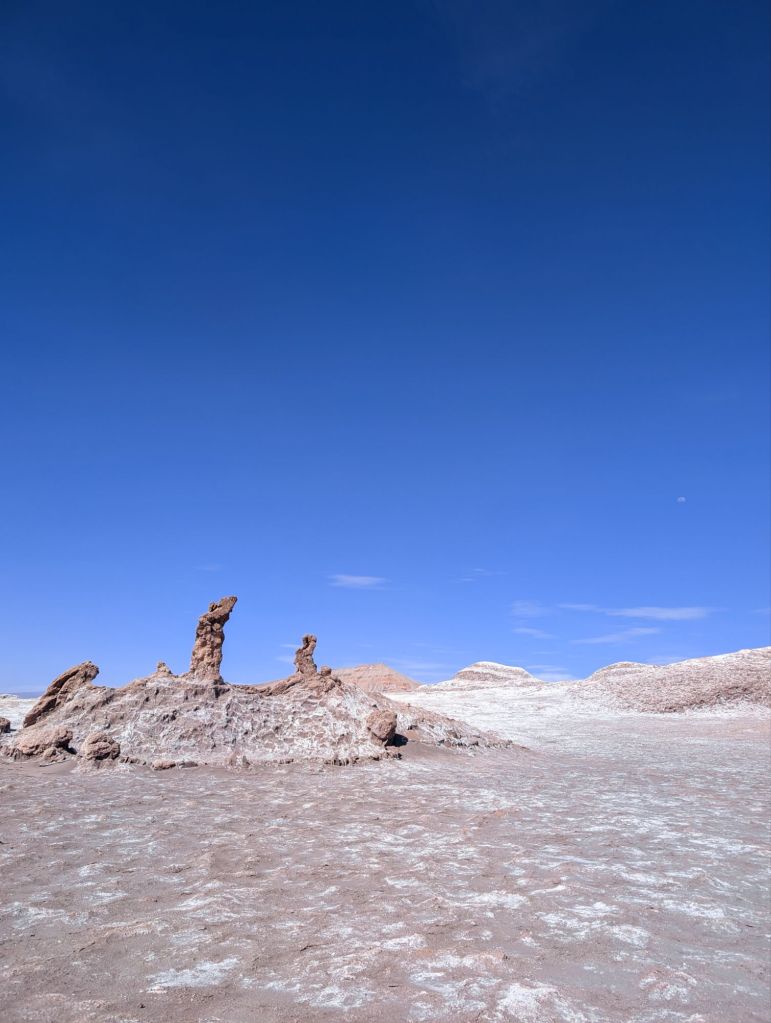
Our guide decided to save the most strenuous hike for sunset, sparing us from the 35°C heat. We began by visiting the Tres Marías, a rock formation resembling three praying women. The guide explained how they were shaped by intense heat and wind, leaving only the strongest structures intact.
We continued to explore the area, marvelling at the unique rock formations and viewpoints that looked straight out of a sci-fi movie. The grand finale was a 40-minute hike to a breathtaking viewpoint atop a sand dune. The gradual incline became steeper at the end but was absolutely worth it for the panoramic views.

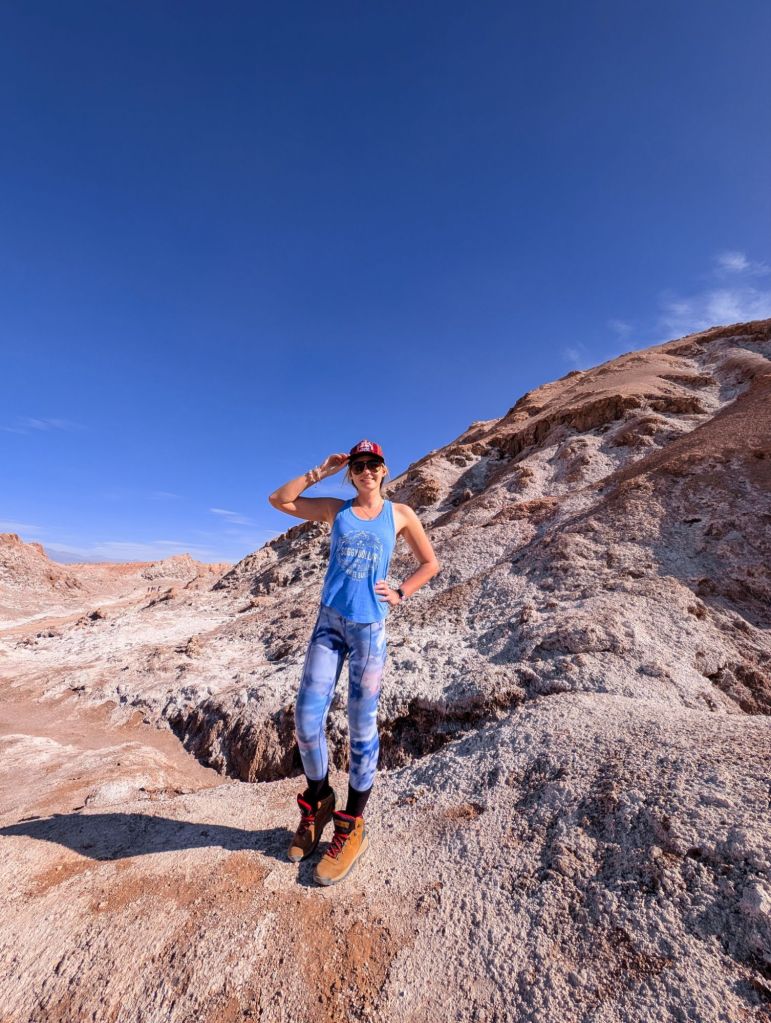
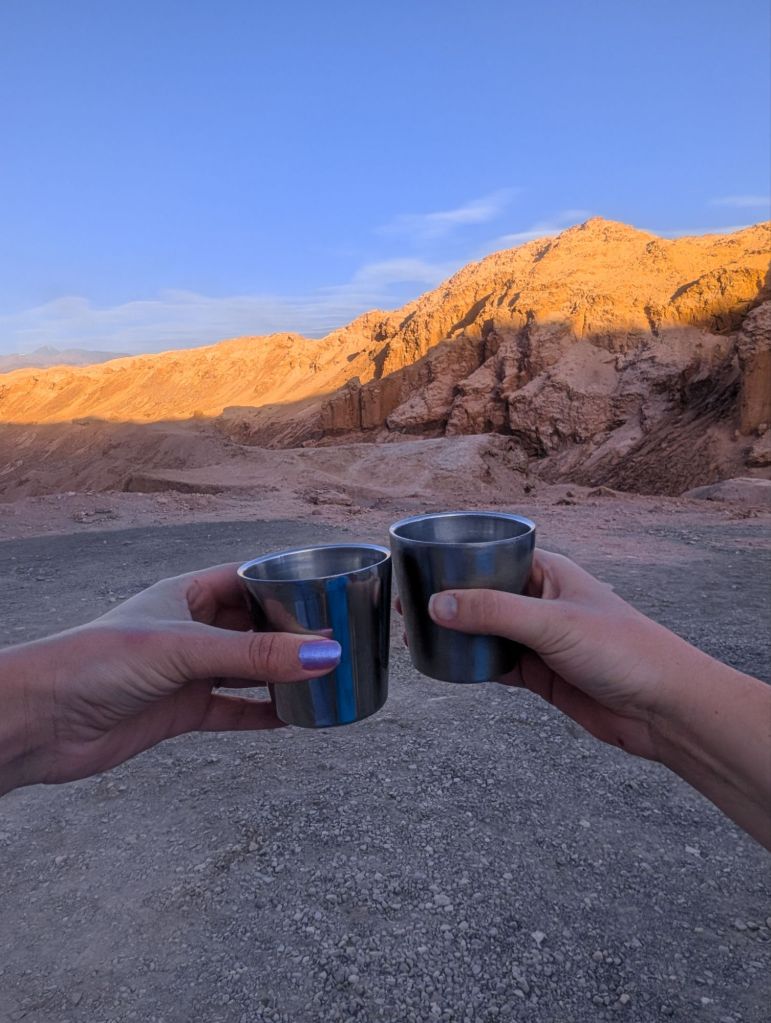
After the hike, we stopped for pisco sours and snacks, including chips, dips, cheeses, meats, and fruit, at a scenic overlook. We ended the tour watching the sunset over San Pedro—a truly magical experience.

Tips for the Tour
- What to Wear: Lightweight, breathable clothes, hiking boots or trekking shoes, a hat, and sunglasses. Bring a windbreaker for the evening when temperatures drop.
- What to Bring: Plenty of water (1-1.5 liters minimum), sunscreen, and snacks. Consider an umbrella or sunshade for extra protection.
Ready to book Moon Valley Tour? CLICK HERE
3 – Salt Flats Route
We booked the Salt Flats Route tour through Layana Travel. After being given a pickup window of 7–7:30 AM, our guide promptly arrived at 7:20 AM, and we hit the road. Unlike some other tours, there wasn’t a group chat for this one, but I was thrilled to see it was a much smaller group, with just three other people.
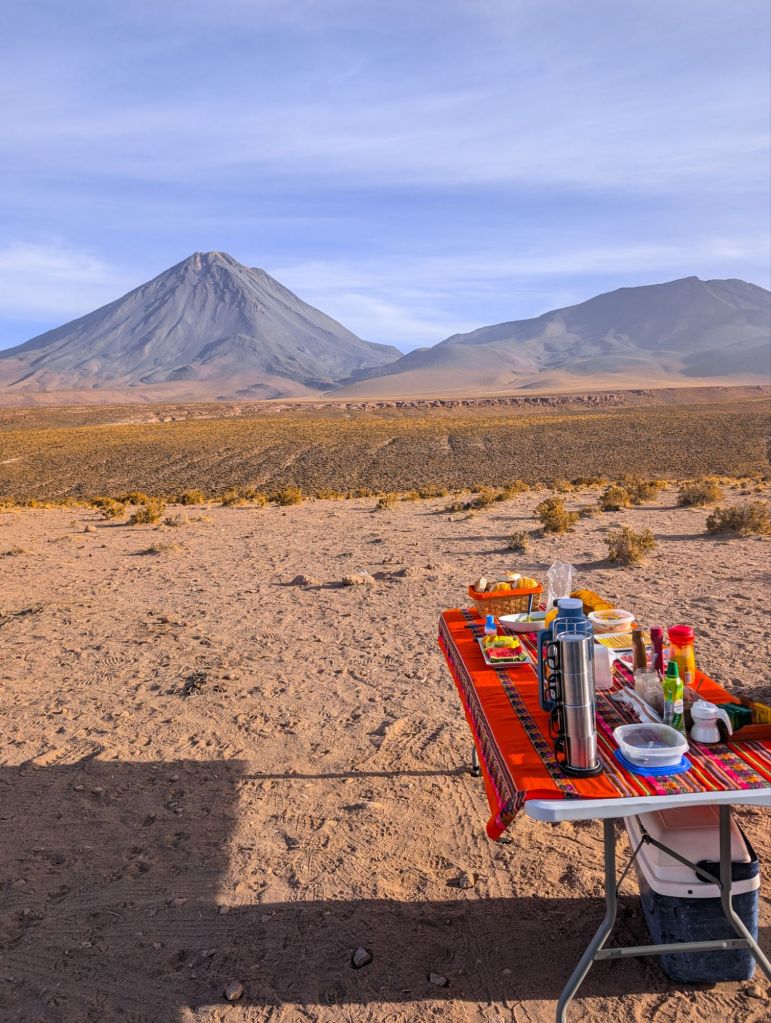
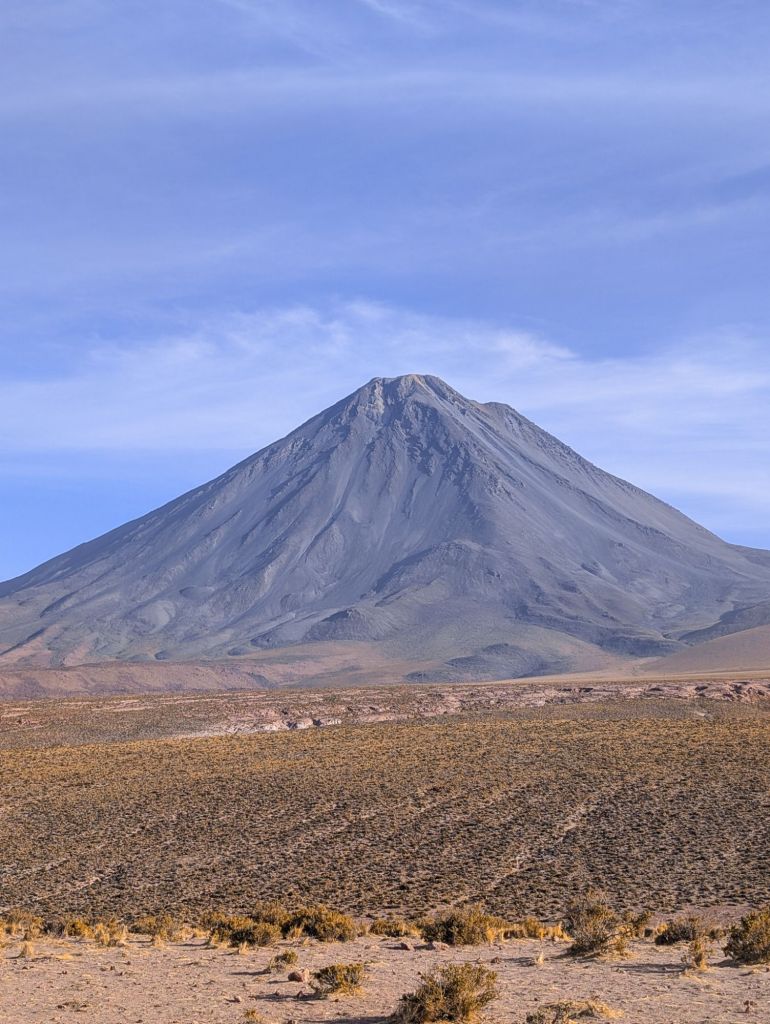
Our first stop was the Licancabur Viewpoint, where we had breakfast at the foot of two stunning volcanoes shared between Chile and Bolivia. While we explored the area, meeting a few llamas and snapping photos, our guides set up an amazing breakfast spread: bread, meats, cheeses, guacamole, fresh fruit, coffee, tea, hot chocolate, and juice. They even had gluten-free rice cakes for me, which was such a thoughtful touch!
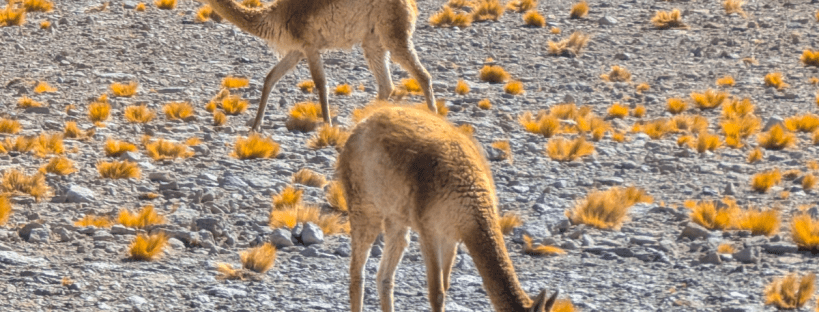
Next, we headed to Quepiaco, where we saw Chilean and Andean flamingos in the salt flats, framed by breathtaking topography. Andean flamingos are particularly striking with their black tails. Out of the three types of flamingos in Chile (James, Andean, and Chilean), we were able to spot two here. Along the way, as we climbed above 4,000 meters in elevation, we also saw herds of vicuñas roaming the landscape.
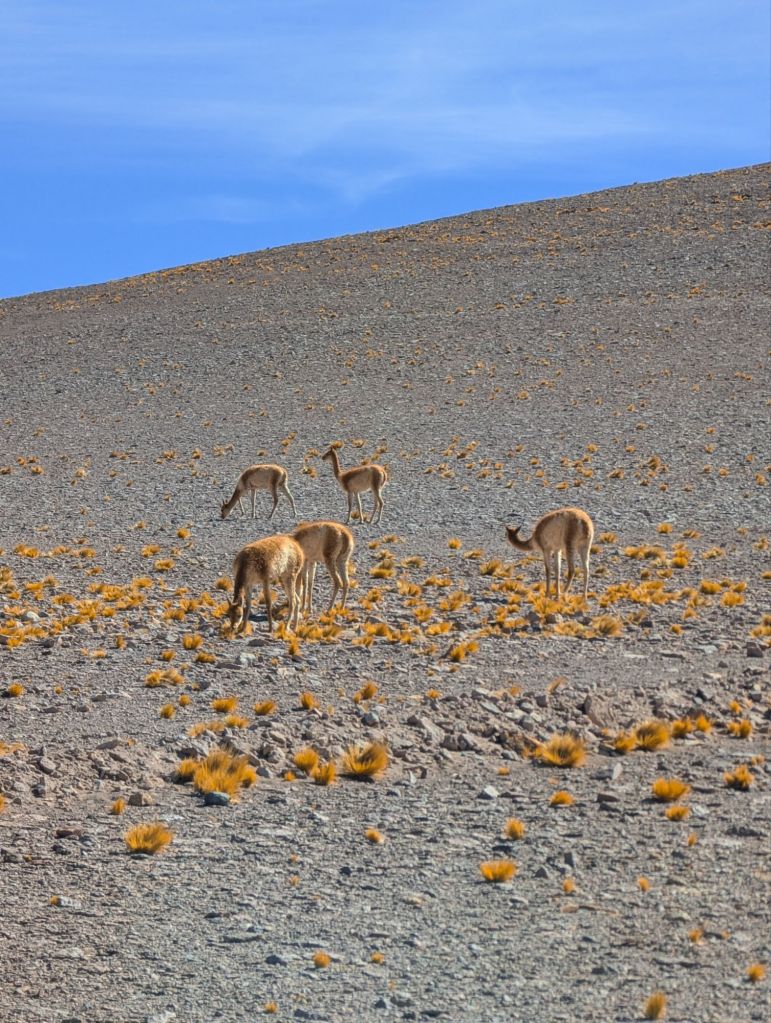
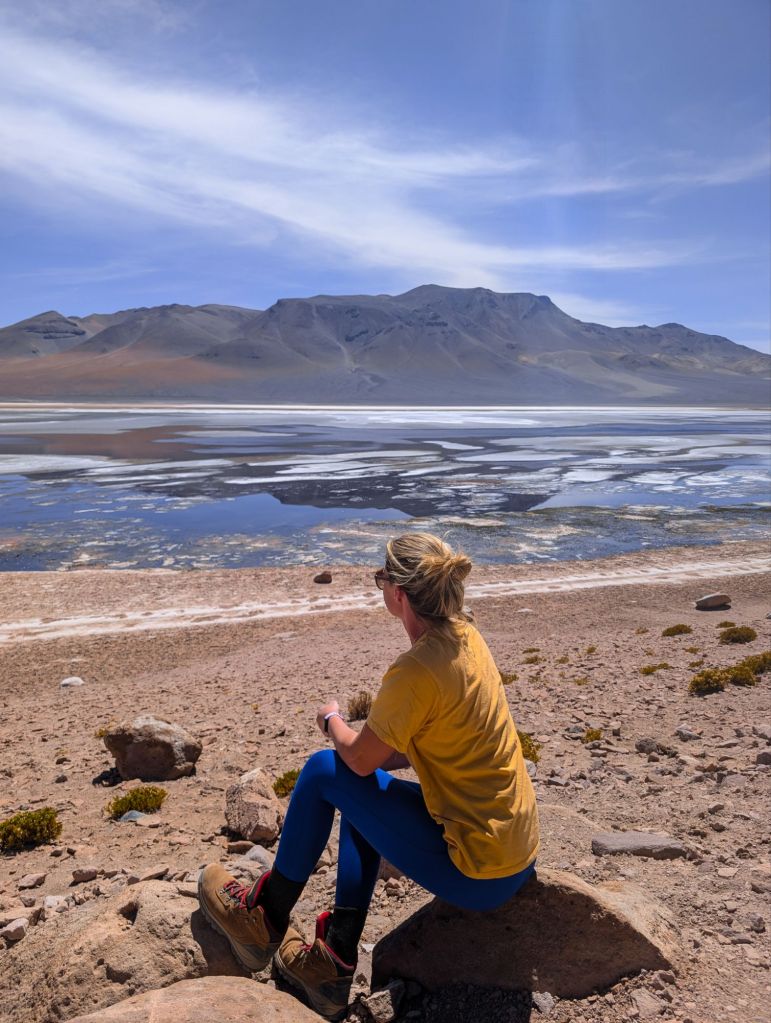
Our third stop was Diamond Lagoon, where we observed tawas (a type of bird) building nests in the middle of the lagoon. The males were busy foraging for vegetation while the females sat on the nests, which are strategically placed in the water to protect against predators. We also spotted smaller black-and-white birds called putastaks.
We made a quick stop to view some unusual crystal formations shaped by natural processes—I’ll let you interpret what they resemble! These deposits, formed by minerals, created fascinating shapes scattered across the landscape.
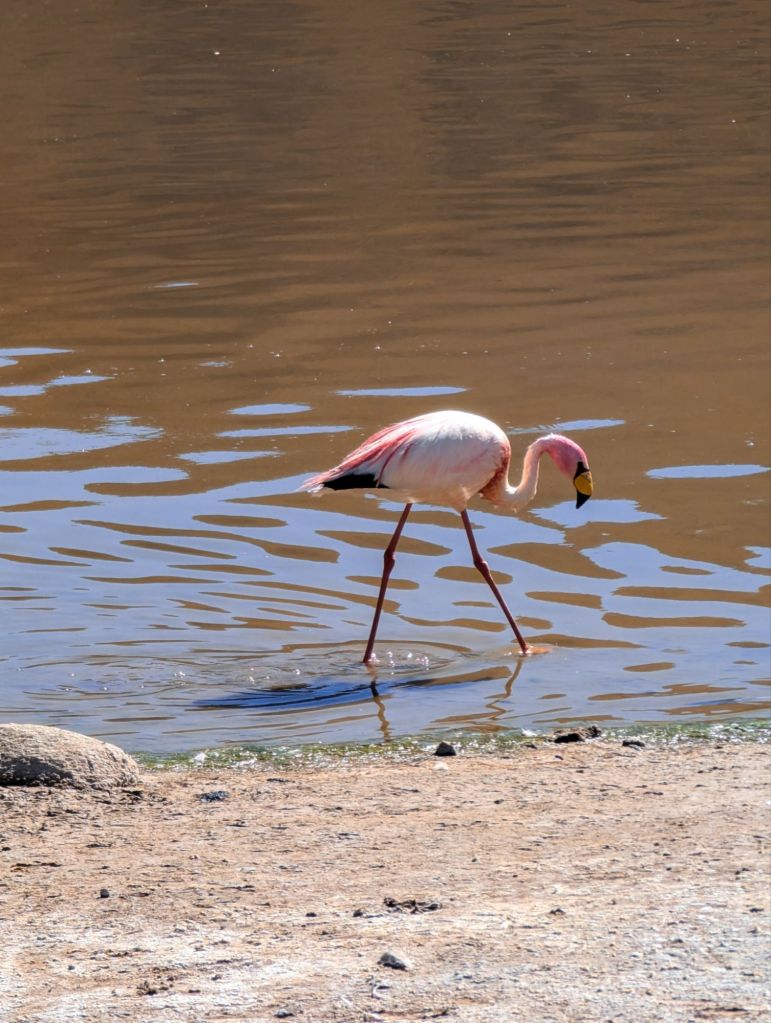
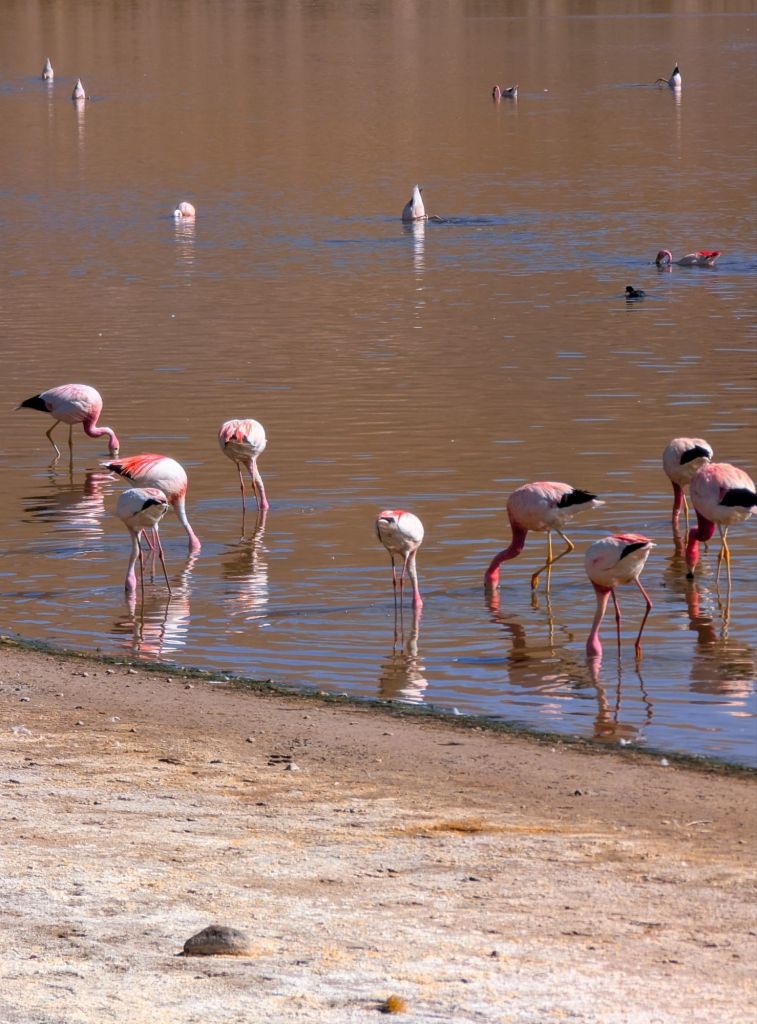
We briefly visited the Black Lagoon, a salt flat darkened by volcanic grit, which gives it its distinctive name. Finally, at our last stop, we spotted viscachas (adorable rabbit-like creatures that only mate once a year). From the same viewpoint, we saw Andean flamingos and vicuñas all in one scene, which was absolutely magical.
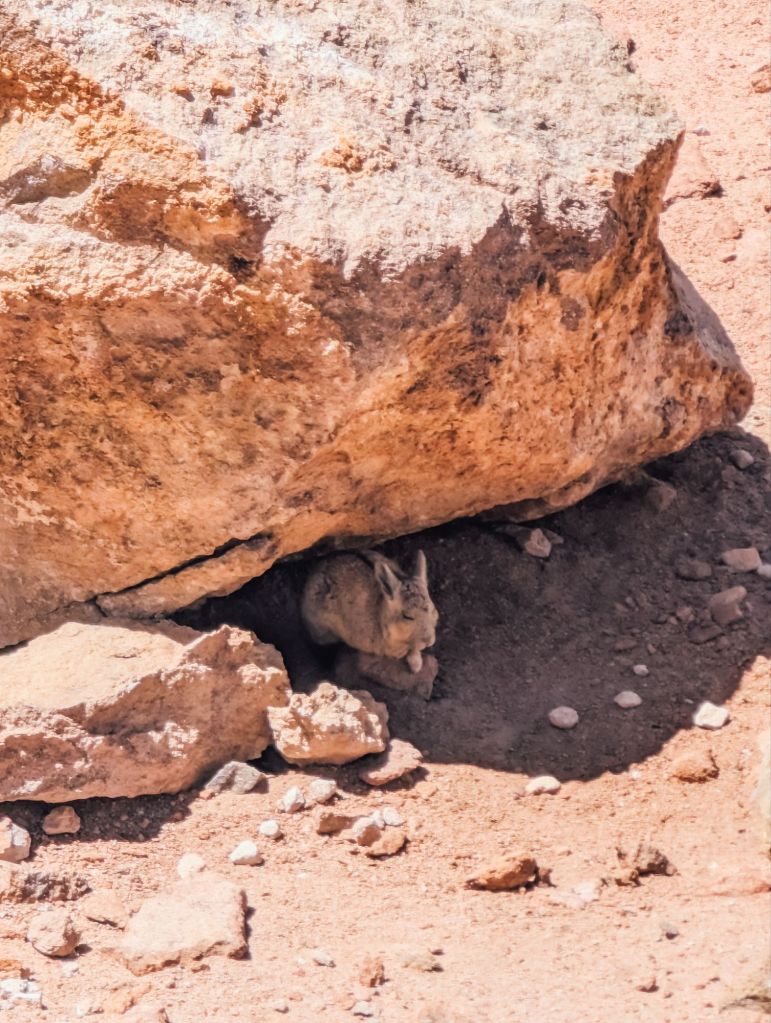
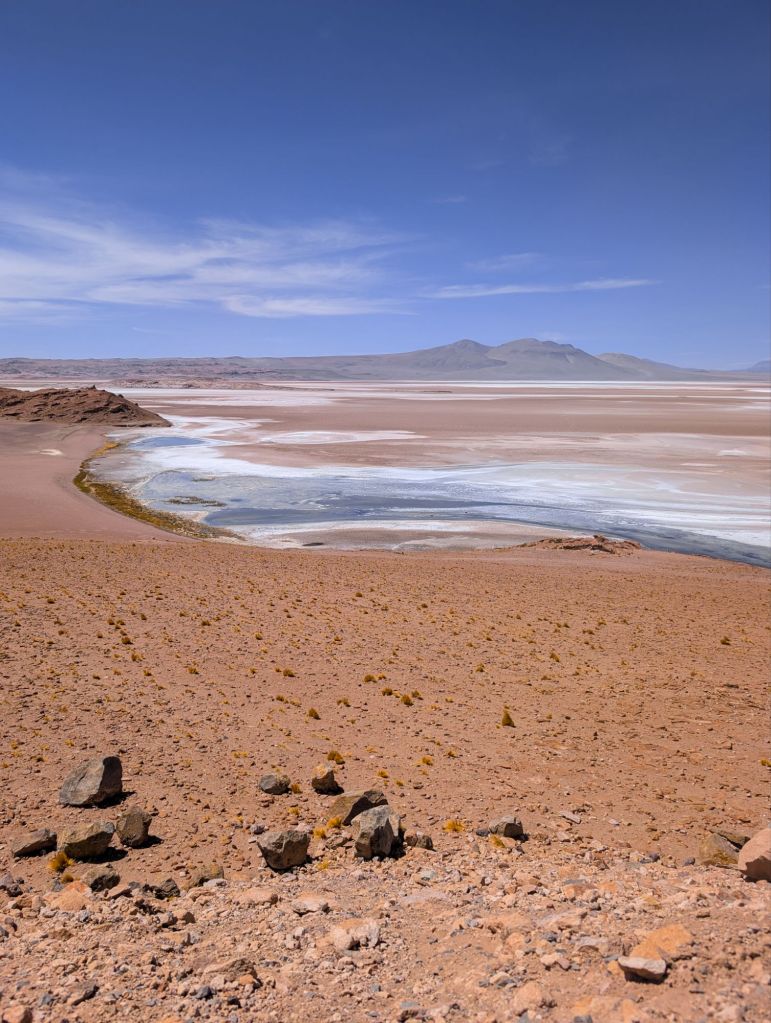
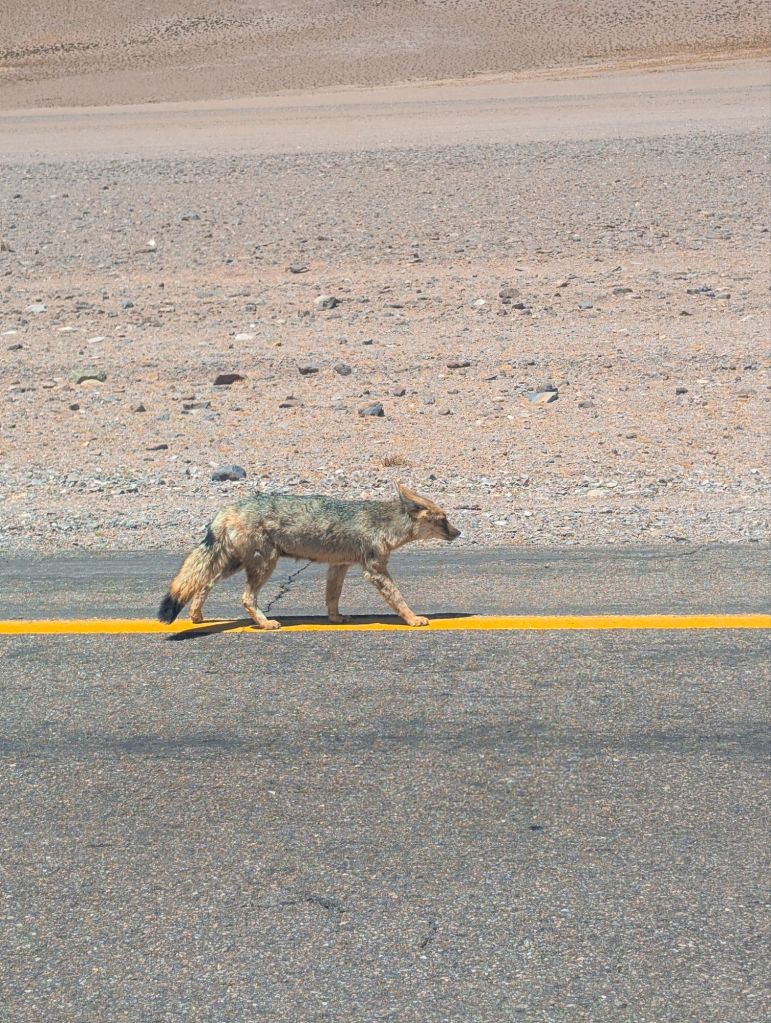
On the drive back to San Pedro, we saw more flamingos, vicuñas, and even a rare fox. The Salt Flats Route had some amazing views, with incredible wildlife and landscapes all around.

Tips for the Salt Flats Route:
- What to wear: Dress in warm, comfortable layers. Mornings are chilly, so bring a hat and sunglasses. Wear a t-shirt underneath, as it gets warmer later in the day.
- What to bring: Sunscreen, plenty of water (altitude can dehydrate you), and a camera to capture the stunning scenery.
Ready to book Salt Flats Route? CLICK HERE
4 – El Tatio Geysers
The El Tatio Geysers tour requires an early start, but it’s well worth it! We booked through Layana Travel again, and they picked us up at 4:30 AM. This is a very popular tour, so expect multiple pickups before heading to the geysers. The night before, we were added to a private WhatsApp group where we could track the live location of our guide—super helpful for getting ready on time.
The drive to El Tatio Geysers Park takes about 90 minutes. Since it’s pitch black outside, the guides encourage you to nap during the ride. We were also advised to avoid red meat and alcohol the night before to reduce the risk of altitude sickness, as the geysers sit at over 4,000 meters. Doing this tour toward the end of your trip is ideal, as it gives you time to acclimate to the altitude in San Pedro.
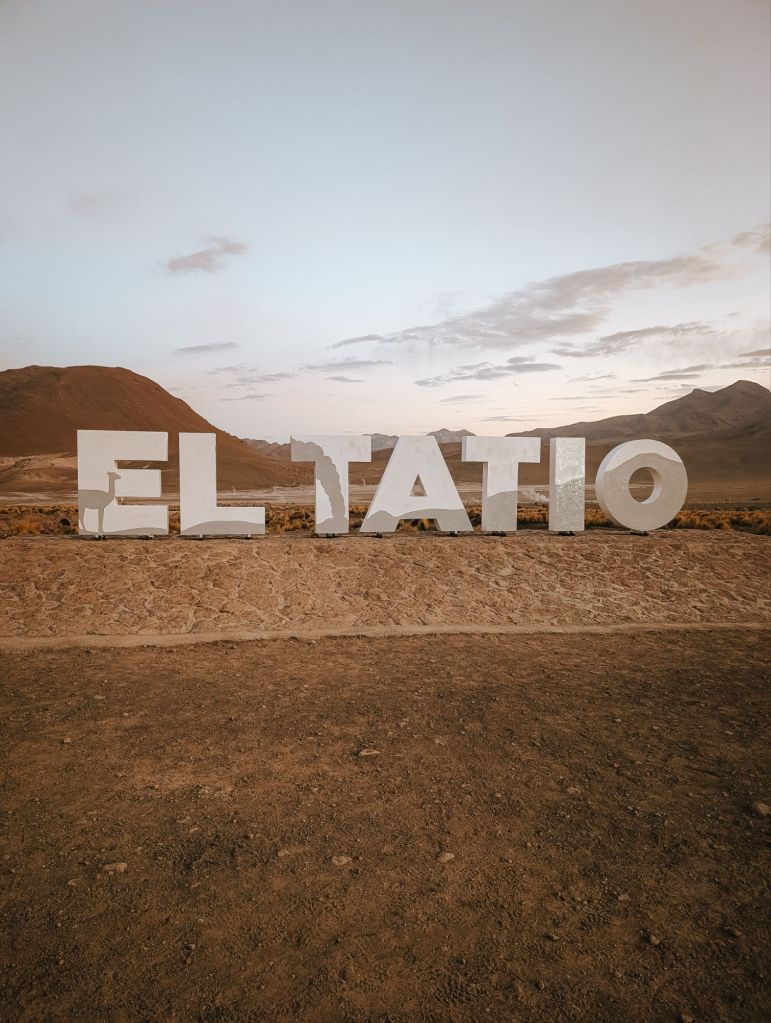
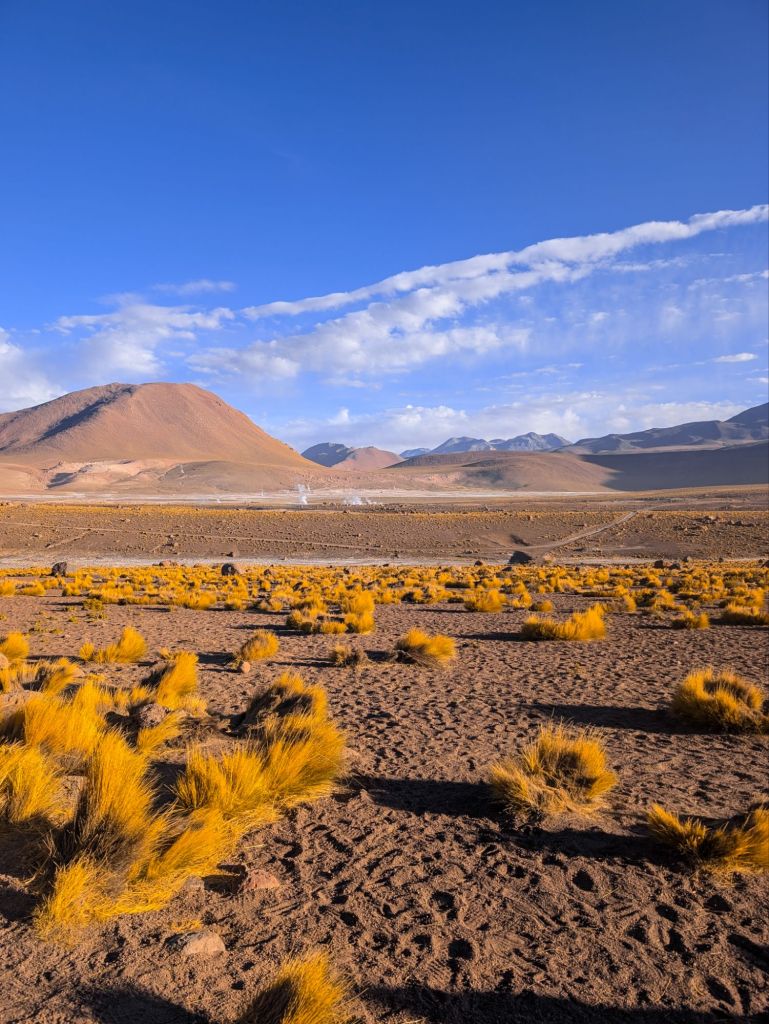
Upon arrival, our guide collected the 15,000 Chilean pesos entrance fee (about $15) per person, and we used the bathrooms before exploring the geysers. Despite it being midsummer, the temperature was just 2°C (and it can drop to -20°C in winter), so dress warmly. The best time to visit the geysers is between 6–8 AM, as the rising sun quickly dissipates the dramatic steam clouds.
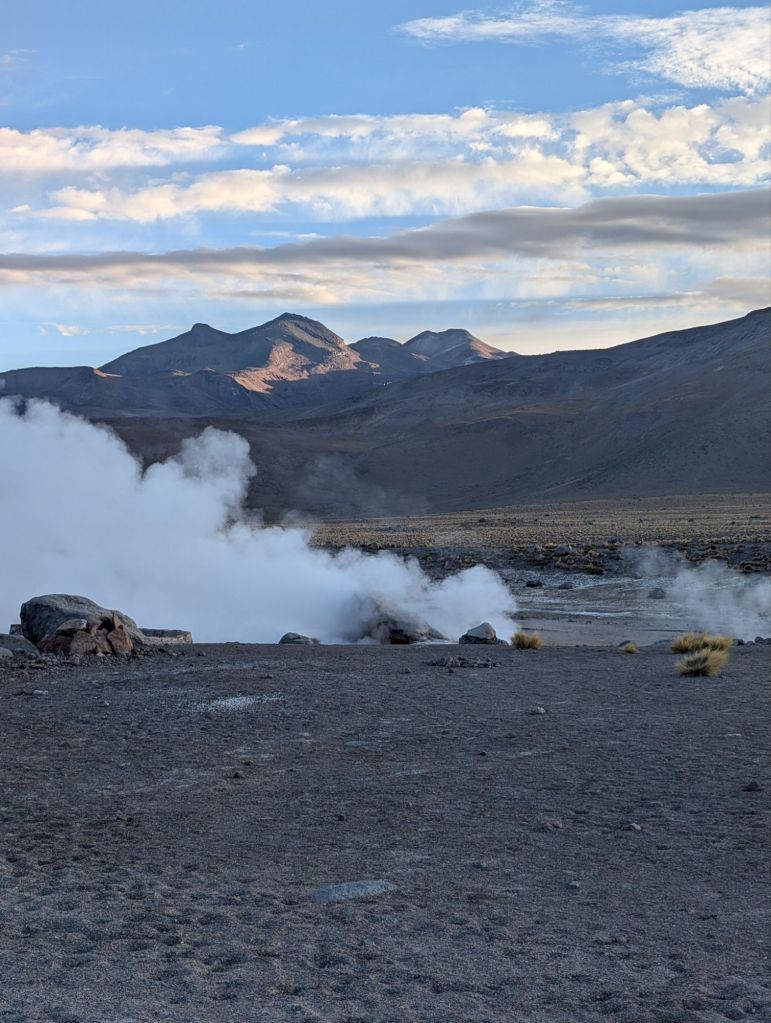
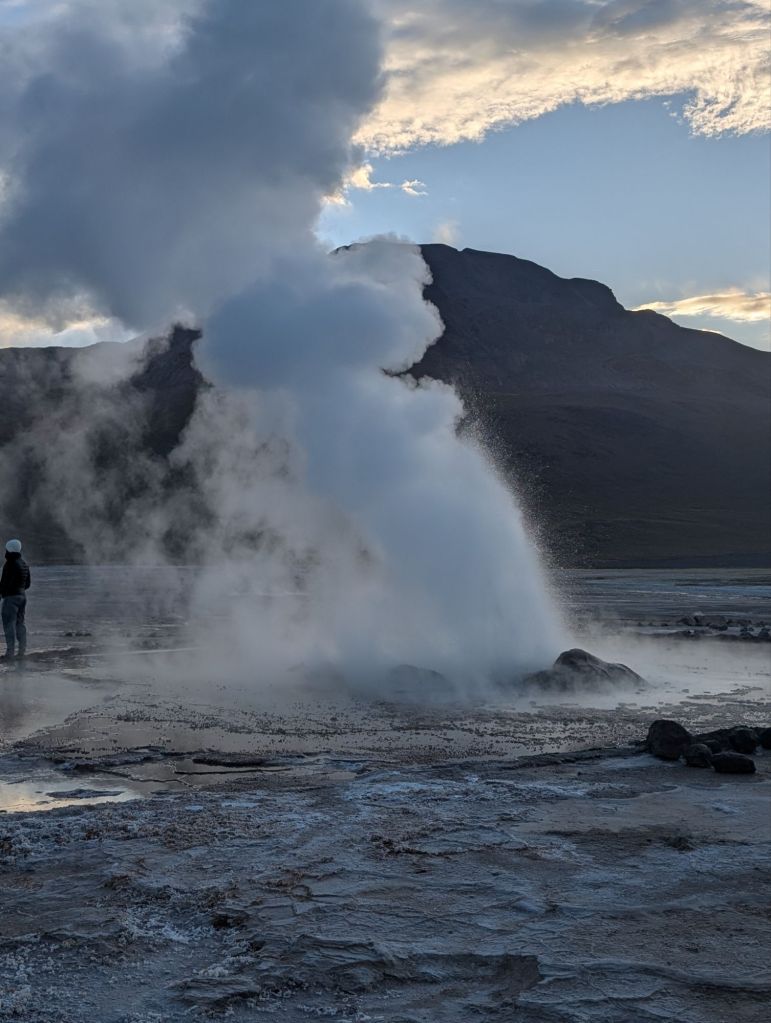
The geysers erupt due to the collision of groundwater with hot lava fields beneath the surface. The steam and gases reach around 85°C, and the contrast with the freezing air creates spectacular fumaroles (steam vents) that can rise up to 10 meters high. Watching these eruptions happen just steps away was an incredible experience! We also saw the infamous “Killer Geyser”, named for past tragic accidents. Its massive steam clouds and gases were a highlight.
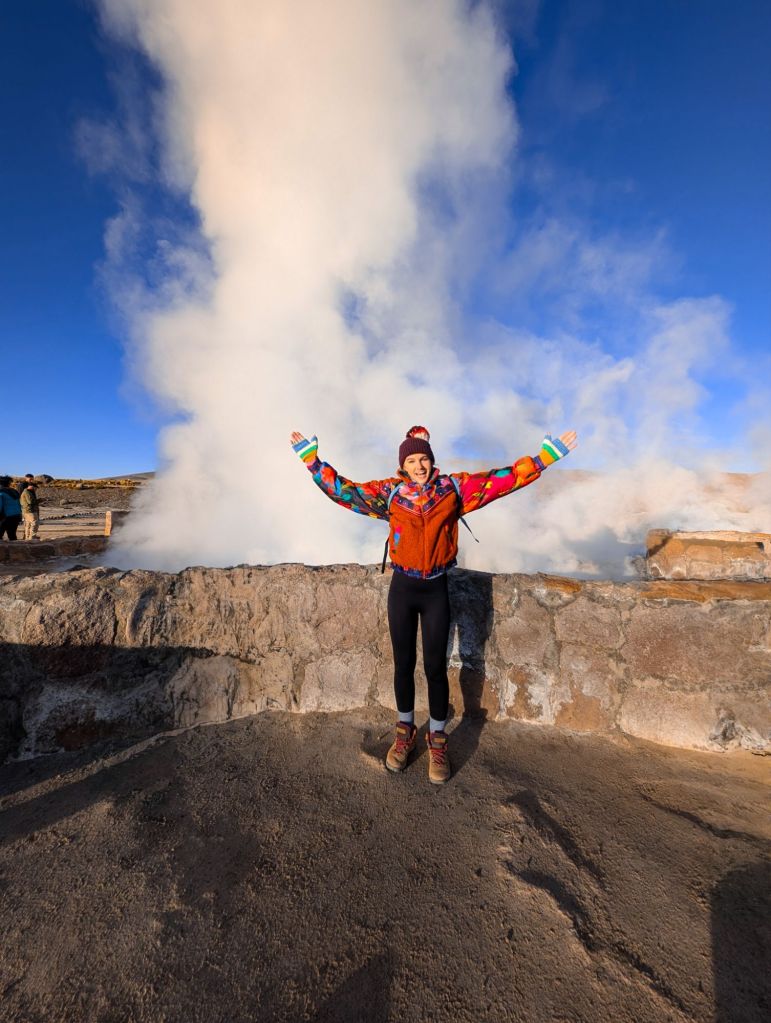
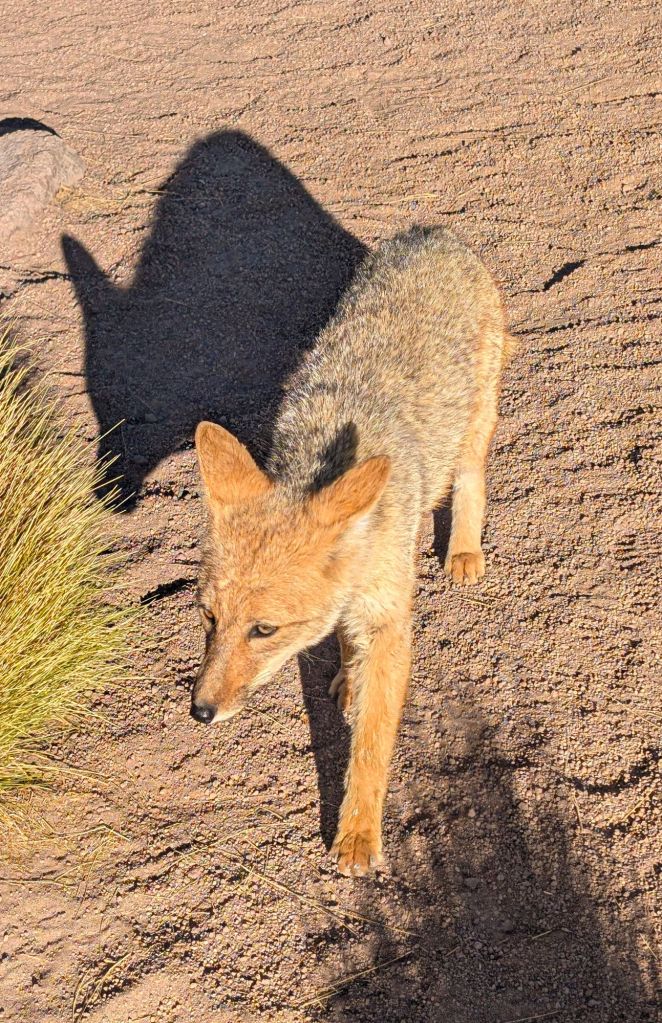
After exploring, we stopped for a delicious hot breakfast prepared by our guides. Coffee, tea, hot chocolate, scrambled eggs, guacamole, meats, and cheeses were on offer. Unfortunately, there weren’t any gluten-free options this time, but I was glad I brought my own snacks. To our surprise, a wild fox wandered right through our group during breakfast, completely unbothered by us!
On the way back to San Pedro, we made a few stops. One was at Machuca, a tiny settlement with just six residents. Here, you can visit the church at the top of the hill, grab something from the BBQ, or use the toilets (500 pesos). Our final stop was at a lagoon where we saw all three types of Chilean flamingos (James, Andean, and Chilean) up close—an unforgettable sight.
We returned to San Pedro around 11 AM, early enough to pack and check out of our hotel. This tour is a perfect choice for your last day in San Pedro.
Tips for El Tatio Geysers:
- What to wear: Dress in layers! It’s freezing at the geysers, so bring a warm coat, hat, gloves, and thick trousers or leggings. Hiking boots or sturdy trainers are recommended.
- What to bring: 15,000 Chilean pesos in cash for the entrance fee, sunglasses, sunscreen, at least 1 liter of water, and snacks if you have dietary restrictions.
Ready to book El Tatio Geysers? CLICK HERE
5 – Astro Tour
If you’re visiting San Pedro de Atacama, an astrophotography and stargazing tour is a must! These tours typically begin late at night, with a pick-up from your accommodation and a short drive to a secluded camp under one of the clearest night skies in the world. With the help of a telescope and an astronomy expert, you’ll get to explore celestial wonders like planets, star clusters, and even galaxies, depending on the season.
The experience is more than just a scientific adventure—it’s a dive into the rich cultural history of Andean astronomy. You’ll learn how ancient civilizations used the night sky to guide their lives, from determining seasons to shaping spiritual practices. The Southern Cross, the Milky Way, and other iconic constellations come alive through both ancient and modern stories. Many tours also offer drinks and snacks, such as coffee, wine, charcuterie, or cake, adding to the cosy, immersive atmosphere.
Just remember, while San Pedro is known for its clear skies, even a slight cloud cover can lead to last-minute cancellations, so keep that in mind when booking and try to book it at the start of your trip incase it gets postponed. If you’re lucky enough to join a tour, be sure to check the lunar calendar. A dark, moonless night will give you the best views of the stars. As a bonus, many tours provide a photo of you under the starry sky, making for a perfect souvenir of your unforgettable Atacama adventure.
What to Wear – Lots of warm clothing! Layer up, and don’t forget a hat and gloves. The desert gets chilly at night, so be prepared.
What to Bring – You don’t need much for this tour. There’s no entry fee, but be sure to bring your warm clothing and a camera or phone for photos!
Ready to book Astro Tour? CLICK HERE
San Pedro de Atacama offers a wealth of unique adventures. From the surreal lagoons to the Mars-like landscapes of Moon Valley, every experience felt like a once-in-a-lifetime opportunity. Pack your sense of adventure (and lots of water!) and get ready for an unforgettable journey.
You can find out more about my stay on my “Chile” Highlights on Instagram @chase.the.rainbows.
Disclosure: chasetherainbows.com participates in affiliate advertising programs as a way to earn revenue. Some links to products and services are affiliate links. I will earn a commission if you click an affiliate link and finalize a purchase at no extra cost to you. Thank you for your support.
 CHASE THE RAINBOWS